Did you know that a well-chosen wool rug can bring not only style but also warmth and natural comfort to your home? Wool rugs are not just decorative elements: their sustainable raw material, excellent insulating properties and aesthetic appearance make them the perfect choice for those who plan for the long term. Natural wool fibers provide exceptional flexibility and durability, while their pleasant texture creates a cozy atmosphere with every step.
The raw material and origin of wool rugs
What is wool?
Wool is one of the oldest natural textile materials, obtained primarily from sheep’s fleece. The unique structure of the fibers — their natural waviness, elasticity and the waxy layer called lanolin — makes wool products truly distinctive. This lanolin layer acts as a natural protective coating: it provides water repellency, antibacterial qualities and outstanding durability, which is particularly important for frequently used home textiles such as rugs.
The quality of wool depends largely on the breed, the climate and the method of care. Premium wool sources such as New Zealand and Scandinavia are renowned for producing exceptionally strong yet soft fibers. These are used to make the highest-quality wool rugs, which are considered luxury home furnishings on the international market.
Wool processing and weaving techniques
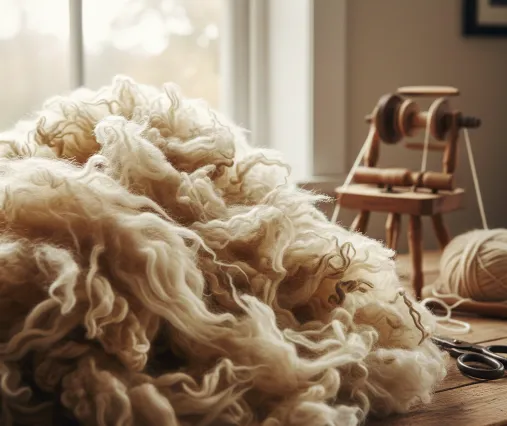
After the wool has been sheared, it undergoes thorough cleaning and sorting to ensure that only the best-quality, long and strong fibers are used. After being spun into yarn, the wool is woven or knotted, which determines the character, durability and aesthetic qualities of the finished rug. Hand weaving, for example, is one of the most prestigious techniques, as each knot and each row is created by hand, resulting in a product that is not only strong but also unique.
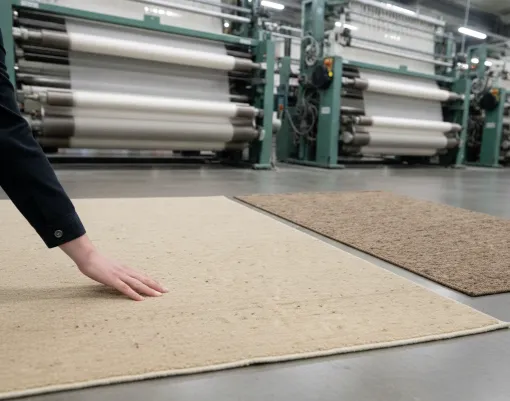
Of course, modern manufacturing also uses machine weaving technologies, which enable faster and more uniform production. However, in both cases the wool retains its natural properties: it remains flexible, pleasant to the touch and highly durable. All this contributes to the fact that wool rugs are able to retain their shape, colour and quality for decades, even under heavy use.
Traditional European and Middle Eastern weaving methods continue to define the culture of wool carpets to this day. The combination of manual and machine technologies makes it possible to unite unique design and modern functionality in a single rug.

The advantage of wool rugs over synthetic carpets
One of the biggest advantages of wool rugs is that they are made from a completely natural, renewable raw material. Sheep’s wool grows back every year, making the wool industry one of the most sustainable sectors of the textile industry. In contrast, synthetic carpets are made from petroleum-based materials, the production of which requires significant amounts of energy, chemicals and water. Wool is therefore not only a more environmentally friendly choice but also leaves a smaller ecological footprint.
Natural fibers are not only more environmentally friendly in terms of their origin but also in terms of their biodegradability. A properly cared-for wool rug can last for decades and then biodegrade at the end of its life cycle, while synthetic fibers can remain in the environment for hundreds of years. With the growing demand for sustainable interior design, wool rugs are becoming increasingly important among conscious consumers who make decisions based not only on aesthetic but also on ethical considerations.
The thermal and sound insulation properties of wool
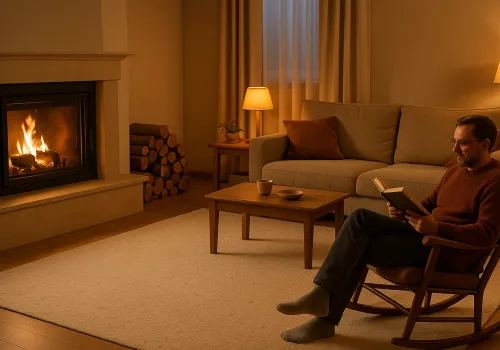
One of the natural properties of wool is its outstanding thermal insulation. The air pockets* in the crimped fibers keep the floor surface warm, making wool carpets feel pleasantly comfortable — especially in winter, on colder surfaces such as tiles or laminate flooring. In cities where temperature fluctuations are common, this is a particularly advantageous feature, as the carpet contributes to more energy-efficient operation of the rooms.
*Air pockets: microscopic air pockets that form naturally between the wool fibers due to the crimped structure of the wool.
Wool rugs also have excellent sound absorption properties. Their dense, flexible fibers are able to reduce noise, making them an ideal choice for multi-storey houses, apartment buildings or rooms where silence and a calm atmosphere are important. Compared to their synthetic counterparts, wool carpets offer a natural acoustic advantage that many people only truly appreciate when using them.
Durability and elasticity of wool carpets
The durability of wool carpets far exceeds that of most synthetic varieties. Natural wool fibers are extremely flexible and can withstand up to 30–40% stretching without breaking or deforming. As a result, wool rugs do not flatten easily, even in high-traffic areas, and retain their original shape for many years. This is particularly important in areas such as the living room or hallway, where the rug is subject to increased wear and tear.
The lanolin-containing surface also provides natural stain and dirt resistance. Wool carpets absorb moisture much more slowly than synthetic fibers, so dirt often does not penetrate deep into the fibers. This greatly facilitates daily maintenance and helps wool carpets retain their aesthetic, new appearance for a long time.
Types of wool rugs
One of the biggest advantages of wool carpets is the diversity of manufacturing technologies, which allows us to find the right type for every style and need.
Hand-woven wool rugs are in the highest-quality category: every thread, knot and pattern is made by master craftsmen, often using techniques passed down through generations. The result is not only durable but also unique pieces that can even have artistic value.
Machine-woven wool rugs offer a modern solution for those looking for a more readily available rug with a uniform design. In this case, the high-quality wool retains its natural advantages, while the machine technology ensures a precise pattern and stable structure.
Wool carpets made using the tufting technique form a third category. Here, the wool yarn is shot into a backing material and then sheared or looped to create a soft, compact surface. This method is ideal for modern, clean-lined rugs and offers excellent value for money, especially where a comfortable, thick walking surface is desired.
Care and maintenance of natural wool rugs
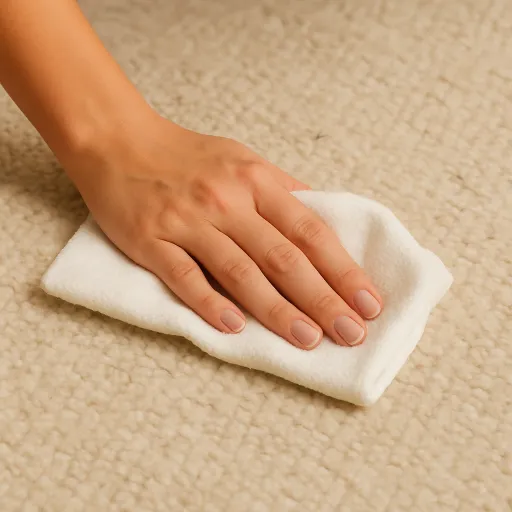
One of the great advantages of wool rugs is that their natural structure makes them less prone to deep staining, but regular care is essential to preserve their beauty in the long term. It is advisable to vacuum weekly, preferably with a brushless head, so as not to damage the dense wool fibers. Fresh stains should be blotted immediately — without rubbing — because the natural structure of wool absorbs moisture more slowly, so the stain usually remains on the surface and is easier to treat.
For stain removal, it is advisable to use mild, wool-friendly cleaning agents that do not dissolve lanolin, the natural protective layer that is one of the most important properties of wool. Strong chemicals and aggressive home stain-removal methods should be avoided, as they can damage the structure of the carpet. Wool rugs are not delicate, but they do require care, and with proper maintenance they can remain in perfect condition for decades.
Recommended frequency of professional cleaning
Although everyday care can be easily done at home, professional cleaning is also necessary from time to time. Experts generally recommend deep-cleaning wool carpets every 18 to 24 months, especially if they are used in high-traffic areas. Professional cleaning methods use gentle, wool-specific technologies that not only remove deep-seated dirt but also protect the carpet’s natural fibers and colour.
Modern cleaning techniques, whether gentle water extraction or specialised dry-cleaning processes, are designed not to affect the elasticity, texture and colour intensity of wool rugs. With regular professional maintenance, wool carpets not only become cleaner and more hygienic but also have a longer lifespan.
Interior design tips: how to incorporate wool rugs into your home
One of the greatest advantages of wool rugs is their versatility, as they can be used in almost any room.
In the living room, they can become a defining element of the central space: wool carpets not only visually tie the furniture together but also make everyday use more comfortable thanks to their sound and heat insulation. It is not worth choosing a size that partially or completely extends under the legs of the sofa or armchair. You can read about the placement of living room rugs here!
In the bedroom, a wool rug provides comfort, especially in the morning when your first steps are taken on a soft, warm surface. Thick rugs are particularly recommended here, as they radiate peace and intimacy. A rug that is too small will look out of proportion, so it is worth choosing a model that is slightly wider than the bed.
The hallway puts more strain on wool rugs, so durable, tightly woven wool rugs are ideal here. The natural protective layer of lanolin helps prevent dirt and moisture from being absorbed deep into the fibers, keeping the hallway wool rug durable and easy to clean. Choosing the right size is also important here: the rug should not be too small, but it should leave enough space for the door to move.
Choosing size and shape
When choosing a wool rug, the size determines the overall appearance of the space. A rug that is too small can make the room look scattered and disproportionate, while a rug of the right size brings the space together and provides visual stability. A general rule of interior design is that in the living room the rug should at least reach the front legs of the main seating furniture, while in the bedroom it is worth choosing a model that extends beyond both sides and the foot of the bed.
The shape is also key. A round wool rug is great for breaking up the dominance of angular furniture and creating an elegant atmosphere in a dining room or office, for example. A rectangular rug is a classic and elegant choice, especially in larger spaces. Long runners are ideal for hallways, kitchens or entryways, where they serve both a practical and an aesthetic purpose.
FAQ – Frequently asked questions about wool rugs
How durable is a wool rug in everyday use?
Wool rugs are extremely durable thanks to the elasticity of natural fibers, so they can withstand everyday wear and tear. Wool fibers can endure repeated bending without breaking or flattening. With proper care and periodic professional cleaning, they can retain their original shape for decades.
Are wool carpets recommended for people with allergies?
Yes, due to the natural properties of wool, they are often a particularly good choice for people with allergies. The lanolin layer repels water and dust, so the fibers are less likely to absorb dirt. Regular vacuuming also reduces the amount of dust circulating in the air, which can improve the overall comfort of your living space.
What should I do if something spills on a wool rug?
The most important thing is to quickly soak up the liquid with a clean cloth without rubbing. Wool absorbs moisture more slowly, so the stain often only affects the surface, making it easier to remove. Avoid strong chemicals and always use wool-friendly cleaning products, or consult a professional cleaner if necessary.
Which rooms are wool carpets most suitable for?
Wool carpets are suitable for almost any room, especially the living room and bedroom, where they provide a pleasant feeling of warmth. They are also suitable for hallways and high-traffic areas, as the dense wool fibers can withstand heavy use. Their design and functionality make them well suited to a variety of interior styles.
Discover the range of natural wool rugs at CarpetDepo!
Choose from hundreds of natural wool rugs and find the one that will truly make your space feel like home.